Animal lick salt, made for US and Canadian feed distributors
Natural hand-cut licks, drilled-and-roped stable blocks, uniform pressed blocks from 2 kg to 20 kg, and 25 kg field blocks for cattle. Plain Himalayan or fortified with declared trace minerals, with a guaranteed analysis your state registration can actually stand on.
Five formats, and the honest case for each
A stable customer and a rancher want almost nothing in common, which is why most buyers end up ordering two products rather than one.
Natural hand-cut blocks 2 to 5 kg
Sawn or hand-broken from solid rock, no binder, no press. Irregular faces, piece weight varying about ±10%. That variance is the whole conversation with retail buyers: at a fixed shelf price you are putting a 4.4 kg block and a 5.4 kg block in the same bin. In return you get a lick that weathers slowly and outlasts anything pressed.
Drilled-and-roped licks
Same natural block, drilled and fitted with jute or braided nylon for a stall or paddock rail. Jute sells better in equestrian retail; nylon survives a wet Ohio winter without rotting. We drill 12 mm and knot below, which beats the glued-plug method that fails the first time a horse leans on it. Specify rope length 30 cm and 60 cm are different products on a shelf.
Compressed / pressed blocks 2, 5, 10 and 20 kg
Milled salt pressed into a mould. Uniform weight, flat faces, stacks without voids, labels cleanly, and costs less per kilo because there is no cutting waste. It also dissolves faster in rain. Under cover that hardly matters; on an open fence post it matters a lot.
Field blocks 25 kg and up
Cattle product, sitting in a tyre, trough or moulded holder, usually pressed and either plain or fortified to a cattle spec. Also the format deer-attractant buyers ask for.
Small licks rabbits, rodents, cage birds
Roughly 30 g to 1 kg with a wire hanger or cage clip. Low tonnage, high piece count, and you are paying for packing labour. Worth carrying because pet-store buyers reorder fast.
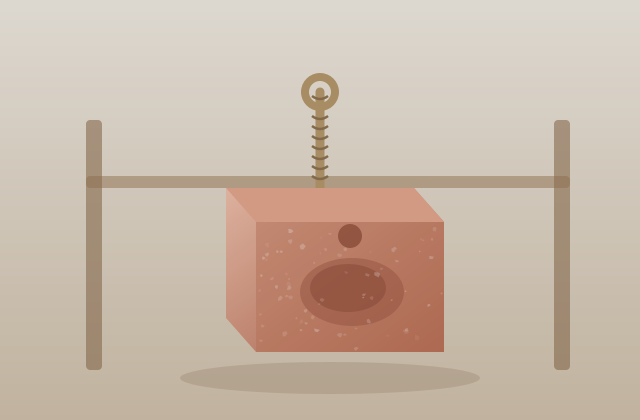
One of each format by courier, pieces free, you cover the airway bill. Nobody should approve a container of roped licks from a photograph.
Natural lasts longer and weathers slower, but weight varies ±10%. Compressed is uniform, cheaper per kilo and easier to label, and gives up ground in the rain.
Who is actually buying, and what they need
Species drives format, formulation and season. Get it wrong and you sit on stock that moves in the wrong quarter. Small animals are their own low-tonnage line, covered above.
Horses the volume category in US retail
Stable and paddock, and by a distance the biggest US retail line. Owners buy on appearance as much as function, which is why pink colour sells here and barely registers with a rancher. Roped 2–3 kg natural blocks and 5 kg pressed blocks cover most of it, year-round with a mild summer lift.
Cattle field blocks, price-led
25 kg and larger, bought by the pallet and compared against domestic white blocks on delivered cost. Do not pitch colour here. Pitch weathering, consumption and whether the fortified spec matches the regional forage deficiency.
Deer seasonal and legally uneven
Attractant and supplementary feeding, a large US market concentrated into late summer and autumn. Baiting rules vary by state and sometimes by county or management zone, and several states restrict or ban mineral sites over chronic wasting disease. Confirm the position with each state wildlife agency before printing copy implying baiting is permitted that risk sits with the distributor.
Sheep and goats read this first
Goats tolerate a standard fortified block. Sheep do not. They are unusually sensitive to dietary copper and accumulate it in the liver until a stress event triggers a fatal release, so a cattle-spec copper block sold into a flock is a welfare risk, not a technicality. Sheep-safe means low-copper or no-added-copper, and labelled plainly.
We will not ship a copper-fortified block against an order naming sheep without written confirmation that the buyer specified it knowingly. It has cost us two orders. Supplementation programmes belong with a vet or ruminant nutritionist who knows the forage.
Plain rock or genuinely fortified pick one and say so
Plain Himalayan lick. Sodium chloride at roughly 97–99%, with natural iron, magnesium, calcium and potassium in the parts-per-million range. A sodium and chloride product, which is what the label should say.
Fortified blends. Zinc, copper, cobalt, iodine, selenium and manganese added to a target inclusion, blended and pressed, every added element declared on the guaranteed analysis at the level we actually put in.
The part the industry fudges. Those natural trace minerals are not present at nutritionally meaningful levels for livestock. Sector copy implies "84 trace minerals" does the work of a supplement. It does not, and any nutritionist will say so in nine seconds. We sell either product; we will not sell the first dressed up as the second.
Weathering, consumption and why autumn orders overshoot
Rain is the enemy of your reorder cycle. An uncovered block loses salt to runoff rather than to animals. Under a shelter or in a covered holder, a lick typically lasts on the order of two to three times as long as the same block on open ground field experience rather than a controlled figure, but the direction is never in doubt. Compressed suffers more than hand-cut.
Consumption, hedged properly. A horse typically takes salt on the order of tens of grams a day, rising with work, heat and sweat losses; cattle are usually quoted in a similar to somewhat higher daily range per head. Treat both as planning arithmetic for stock cover, not feeding advice real intake swings with forage, water and workload, and programmes belong with a vet or nutritionist.
Holders. Moulded wall holders for stables, rope for rails, tyres and troughs in the field. We supply blocks only; holders are cheap domestically and rarely worth shipping across an ocean.
Why autumn orders overshoot. Distributors buy heavy in August and September deer season, winter housing and the seasonal lift landing together and a share of them carry stock into February. Salt does not spoil, so the cost is working capital, not write-off. Split the container across two sailings six weeks apart if you can.
How feed-grade licks are actually regulated in the United States
This gets misdescribed constantly, usually by suppliers who have never filed anything. Short version: it is a state matter, and your distributor is the filer.
State registration, not a federal licence
Salt and mineral licks sold as animal feed in the US are regulated primarily at state level. Most states have adopted feed legislation following AAFCO model feed bill language, so a product is registered or licensed state by state rather than approved once federally. Fees and renewal cycles differ. Check AAFCO's state directory, then the target state's Department of Agriculture feed programme directly.
What the label typically has to carry
Generally: product name, guaranteed analysis, ingredient statement, purpose or intended-species statement, manufacturer or distributor name and address, and net weight. Wording and order are state-specific, so treat this as the shape of the requirement, not final artwork.
AAFCO is an association of state feed control officials. It publishes model regulations and ingredient definitions. It does not approve, certify, licence or register products, and says so itself. "AAFCO approved" appears across lick-block marketing anyway. If a supplier claims it, ask for the certificate number and watch what happens.
What we do: AAFCO-consistent label copy, a guaranteed analysis with added trace elements at real inclusion levels, and the composition and origin documents your filing needs. What we do not do: file it. Your US or Canadian distributor is the registrant of record.
Indicative bands, published
Ex-works US dollars per kilogram, August 2026, plain Himalayan, shrink-wrapped and palletised. Freight, insurance and duty quoted separately. Indicative, not a binding offer.
| Block type | 500 kg – 2 MT | 2 – 10 MT | Full 20ft (24 MT+) | Notes |
|---|---|---|---|---|
| Compressed 2 / 5 kg | $0.72–$0.86 | $0.60–$0.72 | $0.50–$0.60 | Uniform weight, best for printed retail |
| Compressed 10 / 20 kg | $0.66–$0.78 | $0.55–$0.66 | $0.46–$0.56 | Paddock and shelter use |
| Field block 25 kg+ | $0.60–$0.72 | $0.52–$0.62 | $0.45–$0.54 | Cattle, bulk pallets, price-led |
| Natural hand-cut 2–5 kg | $0.84–$0.98 | $0.72–$0.86 | $0.62–$0.74 | Weight tolerance ±10% |
| Drilled & roped lick | $0.98–$1.10 | $0.88–$1.02 | $0.76–$0.90 | Jute or nylon; specify rope length |
| Small animal lick, hanger fitted | $1.00–$1.10 | $0.94–$1.06 | $0.86–$0.98 | Labour-driven, not material-driven |
Trace-mineral fortification, tighter weight tolerance on natural pieces, printed shrink film, individual cartoning, sheep-safe low-copper formulation runs, short lead times in the autumn peak, and DDP terms.
Compressed rather than hand-cut, clear film with an applied label, bulk cartons instead of retail packing, full container loads, FOB Karachi, and a repeat schedule we can plan a pressing run around.
Full terms, payment structure and a worked landed-cost example are on the wholesale pricing page.
You load to weight, never to cube
Blocks ship shrink-wrapped individually, cartoned, then palletised and strapped at around 900–1,100 kg a pallet. A 20ft container practically takes 24 to 26 metric tons, so you hit the weight ceiling with the box half empty. That surprises first-time importers every time.
| Block | Per carton | Approx. pieces / 20ft | Packing notes |
|---|---|---|---|
| 2 kg compressed | 6 pcs (12 kg) | ~12,000 | Shrink-wrapped, printed film available |
| 5 kg compressed | 4 pcs (20 kg) | ~4,800 | Highest-selling stable size |
| 10 kg compressed | 2 pcs (20 kg) | ~2,400 | Corner-protected cartons |
| 20 kg compressed | 1 pc | ~1,200 | Double-wall carton, edge board |
| 25 kg field block | 1 pc | ~960 | Often shipped carton-free, film only |
| Natural 2–5 kg roped | 4–6 pcs | ~6,000–8,000 | Rope adds cube; count varies with piece weight |
| Small licks | 50–100 pcs | By carton count | Hanger or clip fitted before wrapping |
Piece counts assume a 24 MT net load and are approximate. Road weight limits at destination can pull the bookable figure down see the shipping and import guide.
What feed distributors ask us
500 kg, roughly one pallet enough to test a market without committing to a container. Below that freight swamps the product cost; see small orders.
No, and neither is anybody else's. AAFCO is an association of state feed control officials publishing model regulations and ingredient definitions; it does not approve, certify or register products. We prepare the label copy and guaranteed analysis, your distributor files with each target state.
Natural if your channel values appearance and longevity and can live with ±10% weight variance. Compressed for uniform pieces, printed labels and lower cost per kilo. Most distributors end up carrying both.
No. The rock is 97–99% sodium chloride and the trace elements sit in the parts-per-million range real, but not a nutritional programme. For supplementation, order a fortified block with zinc, copper, cobalt, iodine, selenium or manganese declared on the guaranteed analysis.
Plain salt, generally yes. Fortified, not automatically sheep are unusually sensitive to dietary copper and can accumulate it to a fatal level. Sheep lines must be low-copper or no-added-copper and labelled clearly, and flock programmes belong with a vet or ruminant nutritionist.
Around 24–26 MT of palletised blocks: roughly 12,000 pieces at 2 kg, 4,800 at 5 kg, 2,400 at 10 kg, 1,200 at 20 kg or about 960 field blocks at 25 kg. Roped licks load lower because the rope costs cube.
Yes printed shrink film and branded cartons carrying your product name, guaranteed analysis, ingredient and purpose statements, net weight and your address. Printed film normally needs a container per artwork because of cylinder costs; below that, clear film with an applied label.
Send us a spec — we quote within one working day
Tell us the grade, grain size, packing and destination port. You get a written quotation, a specification sheet, and a sample on its way the same week. Trial orders start at 25 kg.